-
The Nature of Casino Games
Casino games are fundamentally centered around chance, making them captivating for players who thrive on unpredictability. Although some games, such as poker or blackjack, involve strategic elements and decision-making, the ultimate outcomes are deeply influenced by random factors. For instance, in slot machines, results hinge on a random number generator, meaning that no amount of skill or expertise can alter the outcome. This inherent randomness is what draws players in; many seek out the excitement of options like fast withdrawal online casino experiences, captivated by the thrill of uncertainty and the possibility of unforeseen victories.
Additionally, the importance of luck becomes even clearer when examining the short-term nature of many casino games. Players may attempt to employ strategies and techniques to boost their odds, but ultimately, each game is a standalone event with its own unique outcome. While a highly skilled poker player might outperform less experienced competitors, they can still be outdrawn by an exceptionally fortunate hand. This unpredictable essence of luck not only keeps players engaged but also adds an exhilarating dimension to their gaming experience.
The concept of luck as a primary factor in casino games is further illustrated through the varying odds associated with different types of games. Although the probabilities of winning can differ significantly, luck often proves to be the decisive element. Even in skill-based games like poker, unexpected twists can heavily impact the outcome, underscoring that luck is a central component that keeps the spirit of casino gaming lively and exhilarating.
The Illusion of Control
A common misconception among casino players is that skill can drastically influence their outcomes, creating an illusion of control. This belief may lead to a false sense of security, as individuals might think their strategic knowledge will guarantee consistent wins. While it is true that skills such as bluffing in poker or effective bankroll management can be advantageous, they cannot change the fundamental reality that luck plays a critical role in determining outcomes. This illusion can encourage players to make riskier bets, convinced of their ability to win.
For example, a skilled blackjack player may use advanced strategies to improve their chances, but the next card drawn is still a matter of chance. If fortune is not on their side, even the best strategies can lead to losses. This disconnect between perceived control and actual outcomes can result in significant financial setbacks. It is crucial for players to recognize that while developing skills can enhance their overall gameplay, it does not eliminate the randomness that governs these games.
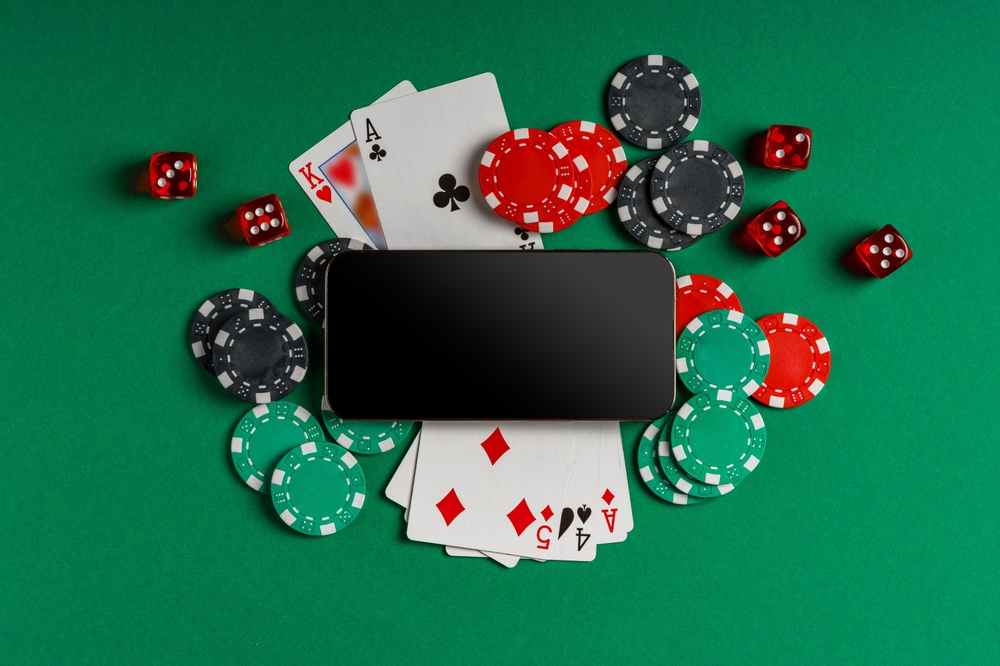
Moreover, this misunderstanding about the influence of skill may lead players to develop a gambler’s fallacy, where they believe that prior outcomes will affect future results. For instance, a player might assume that a particular slot machine is ‘due’ for a win after a series of losses. In reality, each spin operates independently, dictated solely by chance. Acknowledging the limitations of skill can empower players to approach casino games with a healthier mindset, minimizing the potential for frustration or losses.
The Role of House Edge
Another vital aspect to consider in the discussion of luck versus skill is the house edge. Every casino game is designed with a built-in advantage for the house, ensuring that over time, the casino will profit from player wagers. This house edge serves as a constant reminder that, regardless of skill level, luck remains a driving force. In games like roulette or baccarat, players have no control over outcomes; their success relies purely on luck.
Conversely, games that seem to hinge on skill, such as poker, still incorporate elements of luck concerning card draws and how opponents behave. No matter how adept a player is, they cannot predict or control the cards dealt or the actions of others. This reality illustrates that while skill may enhance a player’s chances, luck is indispensable for achieving success. The house edge consistently reinforces the idea that long-term success is not guaranteed, further highlighting the significance of luck.
Additionally, understanding the impact of the house edge can help players establish realistic expectations. By acknowledging that luck plays a significant role in the outcomes of casino games, players are better equipped to make informed decisions regarding their betting strategies and risk management. This comprehension can lead to a more enjoyable gaming experience, where the focus shifts from chasing losses to savoring the excitement of taking chances based on luck.
The Psychological Aspects of Luck
The psychological impact of luck in casino environments cannot be underestimated. Many players experience a rush of excitement and anticipation in response to the randomness of outcomes, creating an exhilarating atmosphere in casinos. People are naturally drawn to the thrill of risk and the chance to win big based entirely on luck, making it a powerful social and recreational activity. This psychological connection contributes to the wide appeal of casino games and reinforces the notion that luck is a vital element of the gaming experience.

Furthermore, the idea of luck is often glamorized in popular culture, depicting it as a mystical force capable of changing fortunes. This portrayal can lead to a profound attachment to the concept of luck, making players more invested in games that depend heavily on chance. The exhilaration of hitting a jackpot or achieving an unexpected win compels players to return, cementing luck’s role as a crucial factor in casino gaming.
However, while the allure of luck is significant, it is essential for players to maintain a balanced mindset. Recognizing the role of luck can enhance enjoyment but should not lead to reckless decision-making. Players should appreciate the thrill of chance without losing sight of their limits and the risks involved. Ultimately, embracing luck as an integral part of the gaming experience can foster a more satisfying and responsible approach to casino games.
Why Understanding Luck Can Enhance Your Casino Experience
Grasping the dynamics of luck in casino games can significantly enrich one’s overall experience. When players understand that luck is a dominant force, they are more inclined to engage with gaming from a place of enjoyment rather than desperation. This shift in perspective fosters a healthier attitude toward both wins and losses, enabling players to celebrate moments of excitement without becoming overly obsessed with outcomes. Such an outlook cultivates a more positive relationship with gambling.
Moreover, acknowledging the importance of luck allows players to establish more realistic goals. Instead of fixating on the idea of constant winnings, understanding the role of chance encourages individuals to focus on the enjoyment and thrill of the game itself. This realization nurtures camaraderie among players, who can share in each other’s successes while recognizing the unpredictable nature of the games.
In conclusion, an informed perspective on the significance of luck in casino games can greatly enhance your overall enjoyment. By accepting that luck is a crucial factor, players can engage more openly with the thrill of unpredictability while maintaining a responsible approach to gaming. Whether you are an experienced player or a newcomer, embracing luck can transform your casino experience into one filled with excitement and enjoyment.

Tel: (904)-325-9008
Fax: (904) 325-9008
Email: info@crossviewmortgage.com
- About
- Loan Programs
- New Application & Account Status (login required)
- Pre-pay Credit Report
- Client Resources
- Contact
- Make an Appointment
Navigation- About
- » Meet Our Team
- » Why Choose CrossView
- » FAQ
- Loan Programs
- » Fixed Rate Mortgages
- » Adjustable Rate Mortgages
- » FHA - Federal Housing Admin
- » VA - Veterans Affairs
- » Jumbo Loans
- » Refinancing
- » Foreign National Programs
- » Commercial Loans
- New Application & Account Status (login required)
- Pre-pay Credit Report
- Client Resources
- » The Loan Process
- » Glossary
- » Forms
- » Submit Documents - Upload
- Contact
- Make an Appointment
Integrity, Diligence, and Excellence
Address
1901 Island Walkway Suite 117
Fernandina Beach, FL 32034
Tel: (904)-325-9008
Fax: (904) 325-9008
Email: info@crossviewmortgage.com
MLO License Info
CrossView Mortgage, LLC NMLS #1377291
Christina Vaughan NMLS #402731
Quick Links