-

The world of British horse racing is a vibrant tapestry of tradition, excitement, and fierce competition. However, there are moments when this beloved sport faces unexpected disruptions. Cancellations of races can occur due to a variety of reasons, ranging from adverse weather conditions to unforeseen circumstances such as health crises. In this article, we will delve into the implications of these cancellations, the reasons behind them, and the broader impact on the racing community. For more insight into related events, you can visit British horse racing not on GamStop merseysidepolicemounted.uk.
The Significance of Horse Racing in the UK
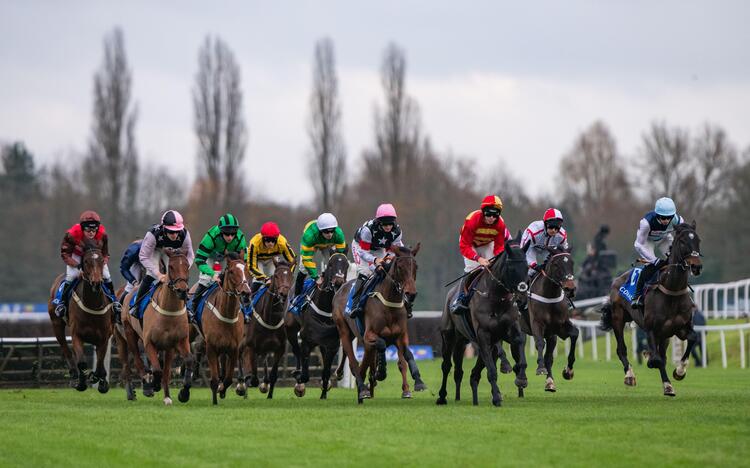
Horse racing holds a special place in British culture, seen not only as a sport but as a social event that brings together individuals from varying backgrounds. Major events such as The Grand National, Royal Ascot, and Cheltenham Festival are not simply racing fixtures; they are part of the national identity. These events attract thousands of spectators who come to enjoy the thrill of the race, the atmosphere, and the social interactions that come with it. The economy benefits significantly from the horse racing industry, with millions generated each year from ticket sales, betting, and associated tourism.
Reasons for Cancellations
Cancellations in horse racing can stem from multiple factors. Weather-related interruptions are among the most common. Heavy rain or snow can make tracks unsafe for both horses and jockeys. Additionally, extreme temperatures can also lead to race day cance

llations, as organizers prioritize the health and safety of the participants. For example, during the summer of 2019, several races were canceled due to unprecedented heat forecasts.
Beyond weather, health crises can also lead to cancellations. The COVID-19 pandemic had a profound impact on the racing calendar, with many events being postponed or canceled entirely to adhere to public health guidelines. The need for safety and social distancing changed how races were conducted, leading to a temporary shift in the traditional format of the sport.
Impact on the Racing Industry
When races are canceled, the repercussions are felt throughout the industry. Trainers, jockeys, and stable staff rely on these events for their livelihoods. Each cancellation can lead to financial losses not just for these individuals, but also for owners and breeders who depend on successful races for income. Additionally, betting companies and affiliated businesses experience a downturn during these times, which can lead to wider economic ramifications. The ripple effect of cancellations can strain relationships within the industry, as all stakeholders try to navigate the losses incurred.
Responses to Disruptions
The horse racing community has adapted over the years to respond to cancellations. One way has been the implementation of various contingency plans to reschedule events when possible, minimizing the negative impact on participants and fans. Racecourses and governing bodies now closely monitor weather conditions using advanced forecasting technologies and are prepared to make swift decisions when necessary.
Another response to the disruptions has been the increase in virtual racing. The use of online platforms to simulate races and allow betting has become increasingly popular, particularly in the wake of the COVID-19 pandemic. This shift not only maintains the engagement of long-time racing fans but also introduces the sport to a new audience who may be more accustomed to digital entertainment.
The Role of Technology and Innovation
Technology plays a crucial role in the future of British horse racing, particularly in relation to managing scheduling and cancellations. The integration of data analytics is being explored to predict potential issues concerning racing conditions, enabling race organizers to make more informed decisions. Investments in racing technology, including improved track drainage systems and weather monitoring, are also being made to enhance the resilience of racecourses against climate-related challenges.
Moreover, the development of mobile applications for fans allows them to stay updated on race schedules, even amidst cancellations. These applications notify users of changes, current events, and potential remastered fixtures, helping maintain fan engagement in times of uncertainty.
Looking Forward: The Future of British Horse Racing
As the world grapples with unpredictable events—from climate change to health crises—the British horse racing industry must continue to evolve. Collective efforts in the community are being made to foster resilience, ensuring that the sport can adapt to new challenges while preserving its rich heritage.
To secure the future of horse racing, it’s vital to strike a balance between tradition and innovation, allowing the sport to thrive in a rapidly changing environment. This not only pertains to how races are conducted but also to the welfare and safety of all involved. Stakeholders must prioritize the well-being of the horses, jockeys, and everyone else engaged in the sport to sustain trust and enthusiasm in the community.
Conclusion
The cancellations of British horse racing events are complex challenges influenced by various factors, each carrying its own implications for the industry. While weather conditions and health crises can pose significant threats, the ability of the racing community to adapt and innovate will determine the future success of this deeply entrenched sport. Understanding the intricacies of these disruptions is key to fostering a brighter future for British horse racing, one where the excitement of the race can continue to flourish even in the face of adversity.

Tel: (904)-325-9008
Fax: (904) 325-9008
Email: info@crossviewmortgage.com
- About
- Loan Programs
- New Application & Account Status (login required)
- Pre-pay Credit Report
- Client Resources
- Contact
- Make an Appointment
Navigation- About
- » Meet Our Team
- » Why Choose CrossView
- » FAQ
- Loan Programs
- » Fixed Rate Mortgages
- » Adjustable Rate Mortgages
- » FHA - Federal Housing Admin
- » VA - Veterans Affairs
- » Jumbo Loans
- » Refinancing
- » Foreign National Programs
- » Commercial Loans
- New Application & Account Status (login required)
- Pre-pay Credit Report
- Client Resources
- » The Loan Process
- » Glossary
- » Forms
- » Submit Documents - Upload
- Contact
- Make an Appointment
Integrity, Diligence, and Excellence
Address
1901 Island Walkway Suite 117
Fernandina Beach, FL 32034
Tel: (904)-325-9008
Fax: (904) 325-9008
Email: info@crossviewmortgage.com
MLO License Info
CrossView Mortgage, LLC NMLS #1377291
Christina Vaughan NMLS #402731
Quick Links