-
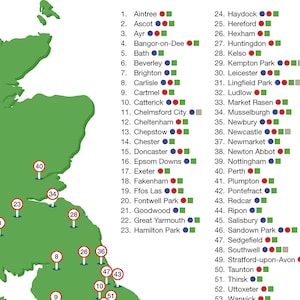
The Current Landscape of UK Horse Racing
If you’re a horse racing enthusiast, you might have noticed a shift in the dynamics of UK horse racing. It’s a thrilling sport that attracts an audience and investment, but recent events have raised eyebrows. For more insight into the current state of things, UK Horse Racing Not on GamStop see here.
Historical Context
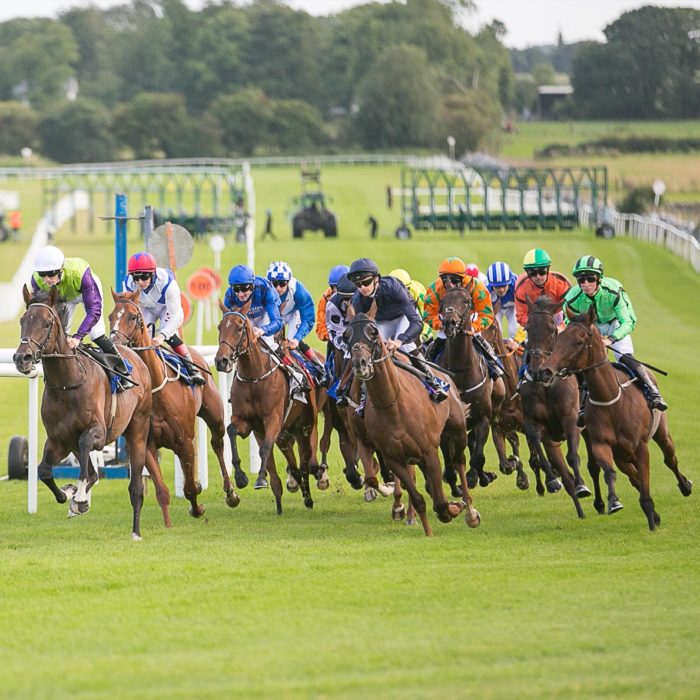
The roots of horse racing in the UK run deep, tracing back to ancient times. Initially a means of entertainment for the elite, it has evolved into a significant sport and betting interest for all types of enthusiasts. Major events like The Grand National and Royal Ascot not only draw thousands of spectators but also showcase the rich culture surrounding horse racing.
Current Challenges Facing UK Horse Racing
Despite its rich heritage, UK horse racing is now facing a host of challenges that threaten its sustainability and popularity. Some of the major issues include:
1. Regulatory Scrutiny
With increasing concerns over animal welfare, regulatory bodies have heightened their scrutiny of racing practices. This has led to concerns over the treatment of horses, medication usage, and the overall safety of the sport.
2. The Impact of COVID-19
The pandemic has had a devastating impact on various sectors, and horse racing is no exception. Races without audiences have meant significant revenue losses for racetracks, trainers, and stable hands, leading to financial instability across the board.
3. Betting and Sponsorship Issues
The betting landscape has shifted dramatically with the rise of online betting platforms. While this offers opportunities, it also poses risks for traditional tracks that rely on in-person attendance. Sponsorship deals have become more complicated to negotiate as some brands distance themselves from potential scandals associated with racing.
Public Sentiment and Its Effect on the Sport
Public sentiment plays a crucial role in the future of horse racing in the UK. There’s a growing movement advocating for animal rights, which increasingly scrutinizes the ethics of horse racing. If public opinion continues to sway in the direction of animal rights, it could lead to further restrictions on the industry, which is already grappling with regulatory changes.
Future Prospects
Despite these challenges, there are glimmers of hope on the horizon for UK horse racing. Innovations in technology, increased emphasis on welfare practices, and efforts to attract younger audiences through social media and fan engagement can potentially reinvigorate interest in the sport.

Embracing Technology
From virtual racing games to live-streaming events, technology is playing a crucial role in reaching new audiences. The younger generation is engaging with the sport in ways that traditional methods could not achieve. Mobile apps and online platforms allow fans to participate, follow races, and even engage with trainers and jockeys more interactively.
A Focus on Welfare
Efforts to enhance the welfare of horses, including better training practices, improved living conditions, and comprehensive retirement plans for racehorses, can also improve the sport’s image. Racing organizations are increasingly recognizing the need to take these issues seriously to maintain public trust and support.
Engaging the Next Generation
Initiatives aimed at younger demographics, such as school outreach programs and youth training camps, can foster a new generation of fans and participants, ensuring the sport’s future. By creating a culture of inclusiveness and excitement, racing can become appealing to a broader audience.
Conclusion
In conclusion, while UK horse racing is navigating a turbulent chapter in its history, it is far from being in a hopeless position. Through addressing its challenges head-on, engaging with technology, improving welfare standards, and appealing to the younger generations, the sport can adapt and thrive in a changing landscape. The future of horse racing in the UK will depend on the collective efforts of all stakeholders—from owners and trainers to fans and regulatory bodies—to steer the sport into a new era.
As we look ahead, the hope is that UK horse racing can emerge from these challenges stronger and more vibrant than ever, retaining its position as a beloved component of British culture.

Tel: (904)-325-9008
Fax: (904) 325-9008
Email: info@crossviewmortgage.com
- About
- Loan Programs
- New Application & Account Status (login required)
- Pre-pay Credit Report
- Client Resources
- Contact
- Make an Appointment
Navigation- About
- » Meet Our Team
- » Why Choose CrossView
- » FAQ
- Loan Programs
- » Fixed Rate Mortgages
- » Adjustable Rate Mortgages
- » FHA - Federal Housing Admin
- » VA - Veterans Affairs
- » Jumbo Loans
- » Refinancing
- » Foreign National Programs
- » Commercial Loans
- New Application & Account Status (login required)
- Pre-pay Credit Report
- Client Resources
- » The Loan Process
- » Glossary
- » Forms
- » Submit Documents - Upload
- Contact
- Make an Appointment
Integrity, Diligence, and Excellence
Address
1901 Island Walkway Suite 117
Fernandina Beach, FL 32034
Tel: (904)-325-9008
Fax: (904) 325-9008
Email: info@crossviewmortgage.com
MLO License Info
CrossView Mortgage, LLC NMLS #1377291
Christina Vaughan NMLS #402731
Quick Links